Makhadzi broke silence on 'Abahambe' debate: it backfired
Makhadzi broke her silence on the immigration debate in a Facebook post, but her remarks drew further criticism from some Zimbabwean followers.
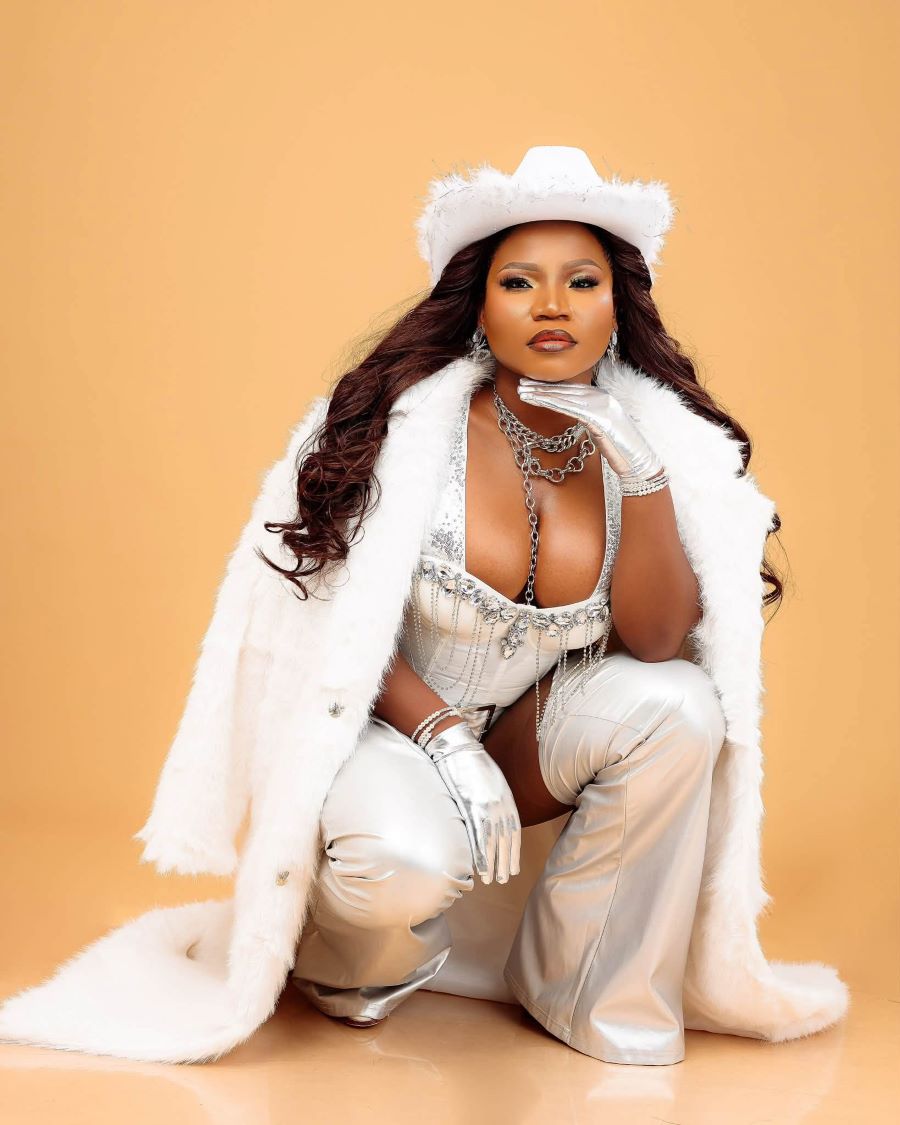
South African singer Makhadzi has defended her record of supporting Zimbabwean artists after facing backlash over her silence on South Africa's immigration debate, with some Zimbabwean fans urging her to stay away from the country. (Image:Facebook)
South Africa’s self-proclaimed “Queen of African Music” is learning the hard way that pan-African branding has its limits when your own country is under fire for treating neighbours like unwanted guests.
As anti-illegal immigration protests under March and March rocked South Africa on 30 June, the regional fallout has hit entertainers hard and Makhadzi is now squarely in the crossfire.
"Pick a side"
On Sunday, Makhadzi finally addressed the controversy. Taking to Facebook, the Limpopo-born artist expressed disbelief that Zimbabweans now viewed her as an enemy.
“When you get time tell me what shocked you in 2026. What shocked me is when Zim people said I hate them after cheering their artist all over my shows, after being the only artist booking African artist to my shows. After being only artist featuring their faves. And now suddenly I am a hater. Kunini ngithi yooo.UBUNTU KNOWS NO BODDER, BUT RESPECT KNOWS EVERY LAW.My full EP DROPING 31 July… My love have no boder, I am an African queen.”
Zimbabweans fans hit back,
Many Zimbabwean followers dismissed Makhadzi's message as damage control, insisting that what they wanted was not an explanation of her career but a clear position on the treatment of Zimbabweans in South Africa.
Several users demanded that she publicly condemn xenophobic attacks and speak directly about the immigration debate.
One follower, Kevan Boss Kay, warned that she should stay away from Zimbabwe and threatened to bring "a truck full of empty bottles" should she perform. He also urged her to condemn xenophobic attacks before expecting Zimbabweans to support her.
Instead of engaging with the demand, Makhadzi replied that the message should be directed elsewhere and not at her.
“I think you know where this message must go not to me,” she wrote.
Another user, Tichatonga Freesoul, challenged her to simply state her position on the "Abahambe" debate. Others accused her of remaining silent when Zimbabweans needed support most. Some argued that silence amounted to taking a side, while others questioned whether the concept of Ubuntu still applied when many Zimbabweans felt rejected by their southern neighbour.
One commenter wrote that a queen should stand with her people during difficult times instead of attempting damage control after relations had deteriorated. Others adopted a more measured tone, explaining that their opposition was not personal. Several likened the current atmosphere to a village in mourning, arguing that celebrations could not continue while emotions remained raw.
In response to one such comment, Makhadzi acknowledged the cultural comparison, saying that in Venda culture people also do not celebrate when there is a funeral.
Deleting the evidence
As criticism intensified, Makhadzi eventually deleted her original Facebook post. She later uploaded a promotional poster featuring the Zimbabwean flag, apparently in an attempt to reaffirm her affection for the country and its people.
That move also backfired.
Several Zimbabwean followers immediately demanded that she remove their national flag from the poster, arguing that it should not be used while tensions remained unresolved.
The message from many of her critics was unmistakable: symbolism was no substitute for taking a clear position.
Artists trapped in a ABAHAMBE war
Makhadzi's experience reflects a wider crisis confronting South African entertainers.
Over the past week, artists have increasingly become collateral damage in the escalating immigration debate. Award-winning duo Mafikizolo have faced calls for their performance at the Buddie Beatz Concert in Zimbabwe to be cancelled.
Zimbabwean social media personality Jay Israel Senior declared the group "not welcome" and urged Zimbabweans to reject South African performers. Another social media user suggested concertgoers should greet South African artists with bottles if they arrived.
DJ Tira has also been criticised by some Zimbabweans, who argue that his silence on the immigration debate is "too loud."
The fallout has extended beyond Zimbabwe.
Isintu Fest, which was due to feature Izingane Zoma, the Amaqwabe Twins and actress Dawn Thandeka King, has been postponed until September. Organisers said members of the community were hurting and that proceeding with the event "did not feel right."
For artists, the consequences are tangible.
International performances generate significant income not only for musicians but also for promoters, sound engineers, accommodation providers, transport companies and event workers. When politics interrupts live entertainment, the financial losses ripple throughout the creative economy.
Silence is no longer neutral
One of the most striking developments has been the pressure placed on artists to publicly declare where they stand. Supporting the March and March campaign risks alienating audiences across Africa.
Opposing it risks criticism from South Africans who believe the country has failed to address illegal immigration. Remaining silent has become equally dangerous.
A number of South African artists, including Thulani Ga Ndlela, Ayanda Ntanzi, Pastor Jabu Hlongwane,Tsoro Rsa, Criselda Kananda, TNS, Scelo Mncube Motivates, Malahle Hlanyo Sibiya, Israel Matseke-Zulu, Ntokozo Ngongoma, Owen Ndlovu, Tumisho Masha, Ayanda Msweli, Mzwakhe Mbuli,Iboss Yentambo SA, Zakwe, UMzukulu, Mjosti, Dogg Dbn Thinah Zungu, Malusi Mbokazi, Betusile Mcinga, Oscar Mbo, Mondli Makhoba The Talent, Simphiwe Dana, Kholeka Dubula, Zolani Mahola, Somizi have publicly picked a side on the ABAHAMBE debate.
But most of South Africa's biggest entertainers have remained silent on the issue. This highlights the increasingly difficult position facing public figures.
When music becomes political
For decades, South African artists have built loyal fan bases across the African continent, particularly in Zimbabwe. Music has often succeeded where politics has failed, creating shared cultural spaces that transcended national borders. That relationship is now under unprecedented strain.
The debate is no longer just about immigration.
It is about identity, belonging, loyalty and whether artists should be expected to act as political voices whenever tensions arise.
Makhadzi may have intended to defend her record of collaborating with Zimbabwean artists and promoting African unity. Instead, she discovered that in today's charged political climate, fans are demanding more than music.
They are demanding that artists choose a side.
And for South Africa's biggest stars, there may no longer be any safe side to choose.