SABC under scrutiny: Millions still flowing to AIRCO despite governance red flags.
SABC pays millions in royalties to AIRCO despite the collecting society’s poor governance, missing funds, and decade-long lack of financial oversight.
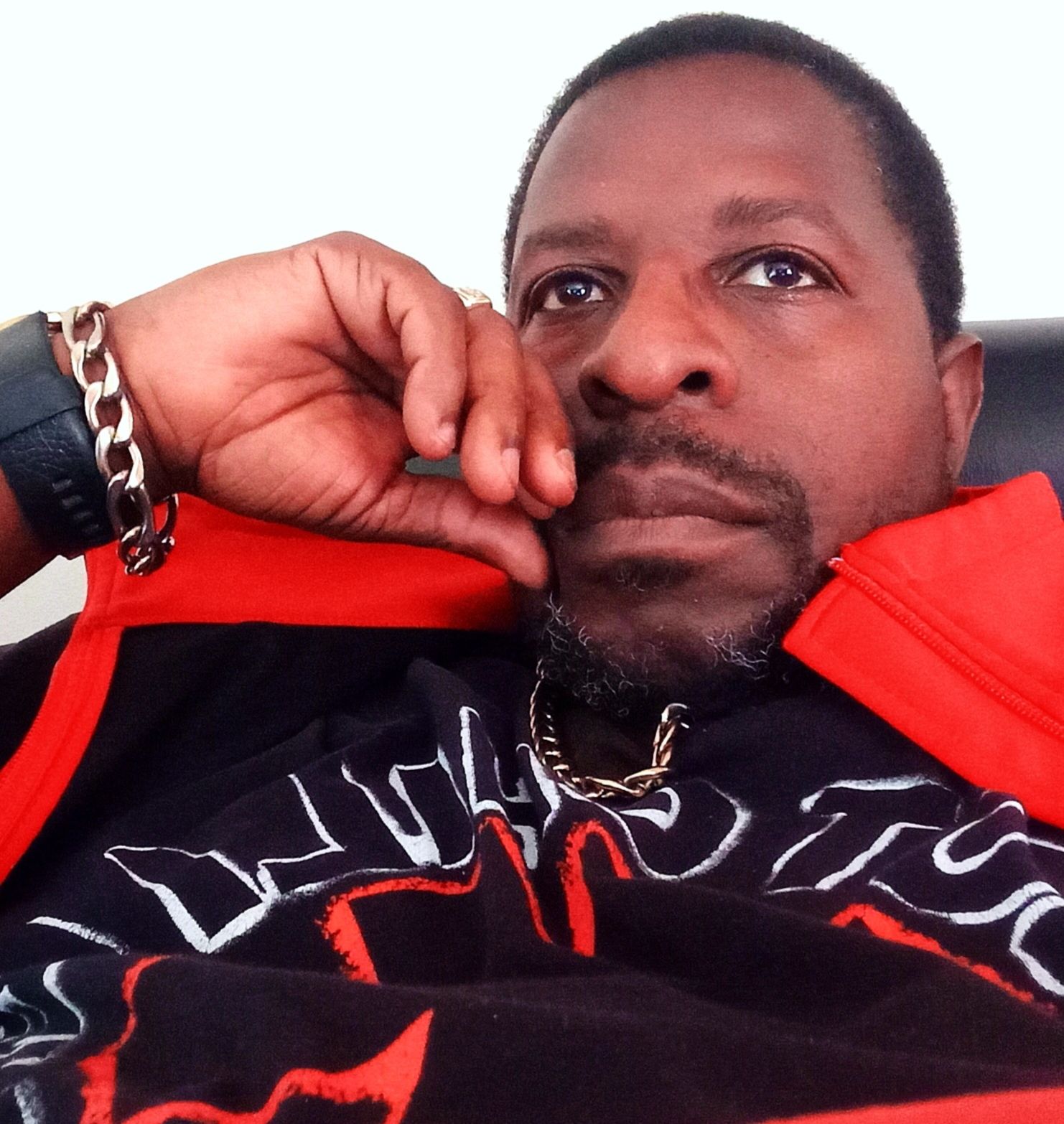
AIRCO Chairperson, Mandla Maseko. (Image from Facebook)
At a time when the South African Broadcasting Corporation is in deepening financial crisis, millions of rands continue to flow to a little-scrutinised collecting society and nobody seems to be asking the hard questions about where that money ultimately goes.
Sources with direct knowledge of the arrangement say the public broadcaster pays the Association of Independent Record Companies (AIRCO) approximately R320,000 every month in royalties for independent music videos and sound recordings aired on its platforms. That amounts to more than R3.8 million annually and over a five-year period, the total could exceed R19 million.
What makes this arrangement particularly troubling is that the payments appear to have escalated beyond what was originally agreed.
"In fact, the amount being paid is higher than what was originally agreed upon. No one seems to know how it escalated to that figure," a source with knowledge of the arrangement said.
The precise cumulative total remains unclear because there has been no meaningful public disclosure of these payments or the terms underpinning them.
A broadcaster bleeding money
The SABC's financial position makes this expenditure impossible to ignore. The broadcaster's cash reserves collapsed from R401 million to just R59 million within a single financial year a deterioration of roughly 27 percent compared to the previous year. The corporation recorded a net loss of R253.3 million for the 2025 financial year, driven by declining advertising revenue, chronically low TV licence compliance, and an outdated funding model that forces the SABC to self-fund nearly half of its public mandate.
Against this backdrop, the uninterrupted flow of millions to external entities raises urgent questions about oversight and accountability at one of South Africa's most important public institutions.
The legal framework behind the payments
The payments are rooted in audiovisual royalties compensation paid to recording labels, artists and record companies when their sound recordings are broadcast or performed publicly. These rights are governed by the Copyright Act of 1978, which requires broadcasters to pay royalties to rights holders through recognised collecting societies.
Unlike performance royalties administered by the Southern African Music Rights Organisation (SAMRO), which compensate composers and songwriters, audiovisual royalties relate specifically to the sound recordings themselves.
Collecting societies such as AIRCO are therefore responsible for:
- Negotiating licensing agreements with broadcasters
- Collecting royalties on behalf of rights holders
- Distributing those royalties to their members
In theory, the system ensures that musicians and record companies are paid fairly whenever their music is broadcast. In practice, however, the system depends entirely on transparent governance and accurate reporting by the collecting society — requirements that critics say AIRCO has consistently failed to meet.
AIRCO: A collecting society under scrutiny
AIRCO was established in 2006 as a Section 21 non-profit company to represent independent record labels in South Africa. It was supported by the Department of Arts and Culture now the Department of Sport, Arts and Culture (DSAC) with the stated aim of empowering black-owned independent labels in a music industry historically dominated by major international companies.
AIRCO's current board includes Mandla Maseko as President, Stanley Khoza as Deputy President, and board members Vulezani Leonard Maveda, Ngwanatheko Margaret Maserumule, Phetole Lucky Machethe, Tlaba Alina Makoeba and Muriel Mokgathi-Mvubu.
The organisation presents itself as a key advocate for independent labels negotiating licences, collecting royalties, and distributing funds to its members. But behind that public-facing mandate, serious governance concerns have emerged.
No AGM in nearly a decade
Multiple insiders claim that AIRCO has not held an Annual General Meeting in more than nine years and some suggest the gap may be even longer.
"Ten years have passed without an AGM. Nobody really knows what is happening inside that boardroom. All we see is the SABC continuing to pump money into the organisation," a source said.
If accurate, this would represent a fundamental breach of basic corporate governance standards for any non-profit organisation. Annual General Meetings are the primary mechanism through which members scrutinise financial statements, elect board members and hold leadership to account. Without them, members have virtually no way to verify how funds are being managed or distributed.
Equally troubling is the lack of transparency around AIRCO's membership itself. It remains unclear who the current members are, whether they have received any royalty payments, or whether a verified membership list even exists.
One music industry executive, speaking on condition of anonymity, described an atmosphere of fear that has prevented meaningful accountability from within the sector.
"If a collecting society is not transparent about its membership and how royalties are distributed, the entire system collapses. But the industry must also accept some responsibility many people are afraid to challenge the board or demand accountability. When the SABC keeps paying millions every year without asking tough questions, it only reinforces the perception that AIRCO holds too much power. We fear that speaking out could lead to being sidelined or blacklisted. Unfortunately, that is the reality in the industry."
Artists who should be the ultimate beneficiaries of these royalty payments share the same concern.
"The real question is whether the money is reaching the artists it was intended for. From what we can see, artists are not getting paid. Yet the SABC continues to channel money into the arrangement without asking the hard questions about where the funds ultimately end up," a concerned artist, who asked to remain anonymous, said.
The Stanley Khoza connection
Governance concerns around AIRCO are further deepened by the involvement of the organisation's Deputy President, Stanley Khoza.
Khoza is currently under investigation by the Department of Sport, Arts and Culture in connection with the Moshito Music Conference, a state-funded industry event where more than R30 million in public funds allegedly cannot be properly accounted for. Khoza chairs Moshito, which has faced allegations of unverified expenditure, missing financial reports, governance failures and the withdrawal of sponsors.
Critics argue that the governance patterns alleged at Moshito bear a troubling resemblance to what insiders are now describing at AIRCO and that the presence of the same individuals across both organisations warrants serious scrutiny.
The SABC's legal responsibility
As a public entity governed by the Public Finance Management Act (PFMA), the SABC carries a legal obligation to manage public funds with strict oversight, transparency and accountability. Any transfer of funds to an external body must meet these standards and the SABC is expected to conduct meaningful due diligence before and during any such arrangement.
The arrangement with AIRCO raises several unanswered questions that go to the heart of that obligation:
- Did the SABC obtain audited financial statements from AIRCO before and during the payment arrangement?
- Has AIRCO provided proof that royalties were actually distributed to beneficiaries?
- Does the SABC hold a verified list of AIRCO members who should be receiving these funds?
- Has the Auditor-General reviewed this arrangement?
- Was National Treasury notified of these payments as required for significant fund transfers?
- How did the monthly payment escalate beyond the originally agreed amount — and who authorised the increase?
Without clear answers, critics warn that the payments may constitute irregular or wasteful expenditure under the PFMA.
Silence from both organisations
Questions regarding the payments were submitted on 2 March 2025 to both the SABC and AIRCO President Mandla Maseko. Both parties acknowledged receipt of the questions.
SABC spokesperson Mmoni Ngubane indicated that a detailed response would be provided. Reminders were subsequently sent to both organisations. At the time of publication, neither the SABC nor AIRCO had provided any substantive response.
Their silence speaks volumes.
A public interest question
For a broadcaster already teetering on the edge of financial collapse, the continued transfer of millions to an organisation facing serious governance questions presents a dilemma that can no longer be ignored.
Until clear answers emerge about how these funds are managed, who ultimately receives them, and whether the artists at the heart of this arrangement are being paid at all — the payments risk becoming yet another chapter in South Africa's long and costly story of weak oversight in the creative economy.
For now, one question remains stubbornly unanswered:
Where exactly is the money going?