SAICA breaks silence: Confirms investigation into Interim Chair
An investigation against Sisa Mayekiso, a board member and interim chairperson of SAMRO is active and ongoing. The development directly contradicts a public statement SAMRO made in November 2025, which the organisation has never corrected.

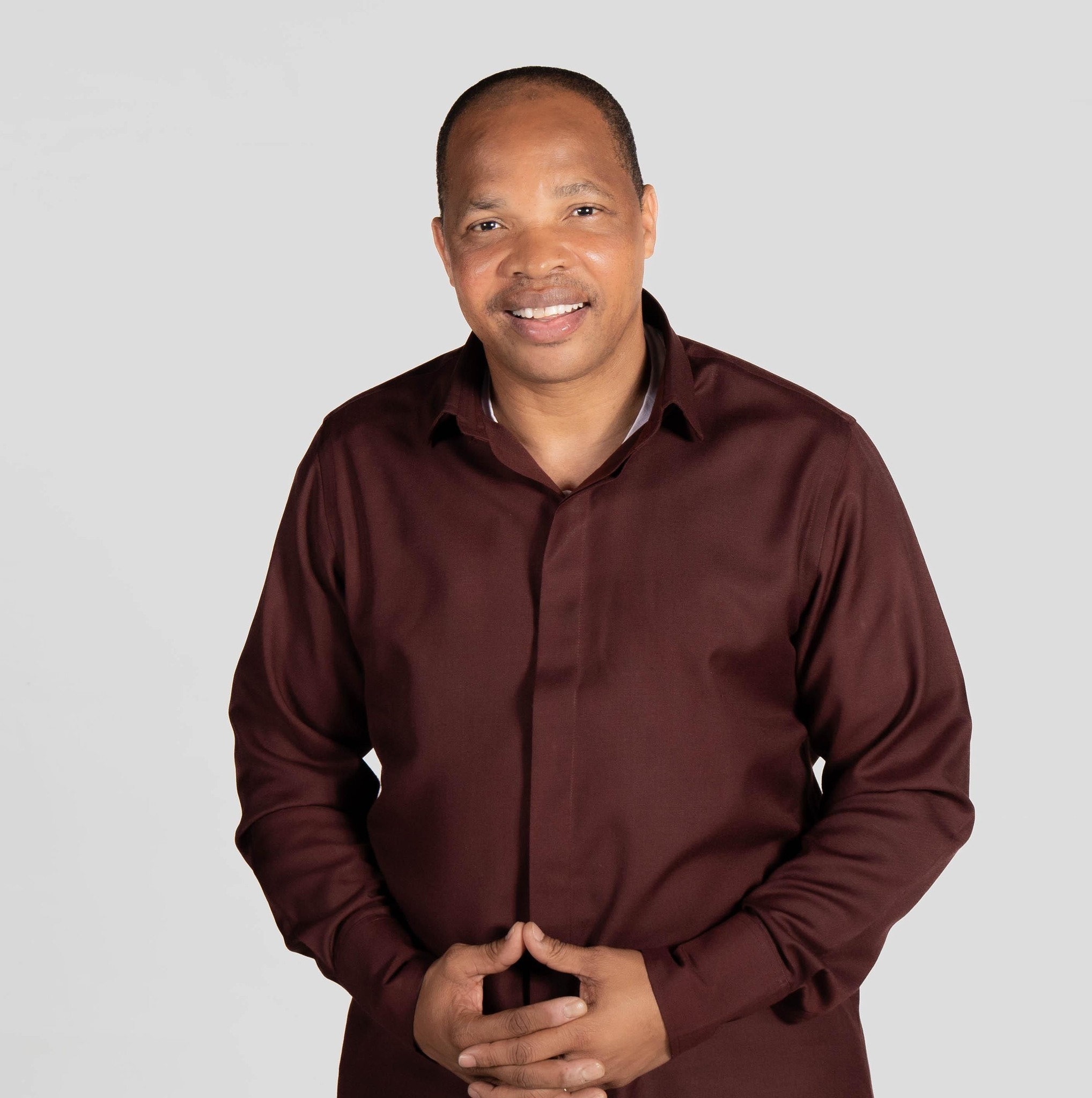
SAMRO's Interim Chair, Sisa Mayekiso, (Image from Linkedin)
The South African Institute of Chartered Accountants (SAICA) has confirmed in writing to Public Dispatch that a Chartered Accountant Sisa Mayekiso is under investigation. Mayekiso is an independent board member and interim chairperson at Southern African Music Rights Organisation.
SAICA CEO, Patricia Stock said:
"SAICA is able to confirm that the matter under ref: 109/25 is currently on-going and under investigation in terms of the provisions of the SAICA Disciplinary Code. SAICA would like to highlight that SAICA investigates all complaints lodged against members; associates and trainees and that no inferences should be drawn from an on-going SAICA investigation. The allegations contained in a complaint will be investigated and ultimately will be adjudicated on by the independent SAICA disciplinary committees in order to determine if a respondent is guilty of the alleged complaints against him/her
The complaint, was initially lodged by Artists United (AU) in September 2025. SAICA told this publication that an investigating attorney has already contacted the complainant and requested additional information as part of the investigation.
AU Chairperson, Owen Ndlovu said that SAICA's confirmation is significant:
"This confirmation is significant mainly because SAMRO issued a publicly statement indicating that no complaint had been lodged against Sisa Mayekiso. That statement was never corrected or updated. It has remained on the public record for nearly four months, even though a disciplinary complaint file has been open and the investigation has been progressing".
When The Public Dispatch put these facts to SAMRO's board this week, the response did not address a single question. Instead, the board threatened legal recourse, referenced a letter of demands a document that has never been served on this publication and described our reporting as misleading and unbalanced without providing any specifics.
How the complaint was lodged
According to SAICA, AU first raised concerns about Mayekiso's conduct with SAICA on 17 September 2025. That initial communication was sent via email without the required sworn affidavit or supporting documents.
Stock explained:
"SAICA then contacted AU via email on 29 September directing them to lodge a complaint affidavit and supporting documents onto the portal in order to formally lodge the complaint."
AU complied and filed a formal complaint with supporting documentation. The complaint was assigned reference number 109/25 and is now under active investigation in terms of the SAICA Disciplinary Code.
Stock told this publication that as at 25 November 2025, the date of SAMRO's public statement the formal complaint had not yet been lodged. It was lodged shortly thereafter.
Stock's written response this week stated:
"A complaint was subsequently lodged and is on-going".
SAMRO has not corrected its November 2025 statement.
What AU says
AU provided a detailed statement to the Public Dispatch setting out the basis of their concerns.
"Artists United raises serious concern about the conduct of Sisa Mayekiso at SAMRO, who continues to occupy a position of authority despite being asked to step down on 29 August and on 12 December at the AGM. There was a vote of no confidence in Sisa."
AU also raised concerns about Mayekiso's response to a forensic report and to allegations of financial misconduct involving a senior executive:
"Despite the release of the 2023 forensic report highlighting governance failures, Sisa has failed to report or act on ongoing allegations of fraud within SAMRO, including the admitted misuse of company credit card funds by the CEO during board meetings held on 4 February and 18 February 2026."
On transparency around voting, the AU said:
Voting processes within SAMRO remain opaque, with no audited disclosure of how many members voted or the tally of votes for or against decisions. AU is therefore demanding the release of the recordings of these board meetings, as well as full transparency regarding decisions taken under Sisa's leadership, which AU believes are unlawful and not properly communicated to members."
AU also raised questions about the sale of a SAMRO property asset and Mayekiso's continued role despite the no-confidence vote. The group confirmed it expects SAICA to conduct a full investigation.
What the law requires
Mayekiso's position at SAMRO is not merely administrative. As a board member, interim chairperson and chair of the Audit and Risk Committee, he operates within a dense framework of legal obligations that apply regardless of the outcome of the SAICA investigation.
Section 76 of the Companies Act 71 of 2008 codifies the fiduciary duties of directors, requiring them to act in good faith, for a proper purpose, and in the best interests of the organisation. The standard is objective, measured against what a reasonable person in the same position, with the same knowledge and experience, would have done.
Section 75 of the same Act compels directors to disclose conflicts of interest.
Section 77 creates personal liability for directors who breach these duties through bad faith, gross negligence or wilful misconduct.
As chair of SAMRO's Audit and Risk Committee, Mayekiso carries specific governance obligations. Audit committees in South Africa exist to act as the primary line of governance defence, responsible for monitoring internal controls, financial reporting integrity, risk management and compliance with the organisation's own policies. Allegations that an unauthorised payment was not investigated, that a risk assessment was not conducted before a major asset disposal, and that financial misconduct was not escalated, each speak directly to those obligations.
SAMRO's own Memorandum of Incorporation (MOI), which governs the organisation as a non-profit company registered under the Companies Act,sets out the rights of voting members including their right to participate meaningfully in governance processes. SAMRO has two classes of performing rights members: associate members and full members. Full members are eligible to vote and to stand for board election. Allegations that full voting members were prevented from exercising their votes at the 29 August 2025 extraordinary general meeting raise questions about whether the requirements of the MOI and by extension the Companies Act were observed.
King IV Report on Corporate Governance, which SAMRO as an NPC is expected to apply, goes further than mere legal compliance.It places an affirmative obligation on governing bodies to ensure ethical leadership, to act transparently, and to ensure that stakeholders in SAMRO's case, thousands of music creators receive accurate and timely information. King IV is explicit that the governing body is responsible for the integrity of the organisation's reporting. Allowing a materially inaccurate public statement to stand uncorrected is inconsistent with that principle.
The Copyright Act and SAMRO's mandate as a collecting society also bear on this matter. SAMRO exists to administer the performing rights of its members and to distribute royalties fairly and transparently. Its authority to do so derives from the trust of those members. When governance failures within the organisation affect how decisions are made, who holds power, and whether members' voices are heard, they strike at the core of what collecting societies are legally and ethically obligated to protect.
SAMRO's response and what it reveals
The response from SAMRO's board on 13 March 2026 did not answer any of the five specific questions put to them, including whether SAICA had ever formally communicated to SAMRO that no complaint existed, and whether SAMRO intended to correct its November 2025 statement.
Instead, the board stated that it was adopting the position and demands set out in a separate "analogous letter" a document this publication has never received. The board said it would limit further engagement until unnamed demands were met, and warned of potential legal recourse. The board's description of our reporting as "misleading and unbalanced" was not accompanied by any particulars.
This publication requested the referenced letter of demands by return email on 13 March 2026. No response had been received by the time of publication.
What happens next
SAICA has confirmed that additional information has been requested from AU to advance the investigation. The matter will ultimately be adjudicated by an independent SAICA disciplinary committee. SAICA has noted that no inference of guilt should be drawn from an ongoing investigation, and that confidentiality obligations under POPIA limit what it can disclose publicly.
What is not in dispute is that the complaint exists, that it is active, and that a public statement asserting the contrary has been allowed to stand. For an organisation that administers the livelihoods of thousands of South African music creators, that gap matters.