SHOWDOWN: PESP6 'to be halted?' as NAC staff plan to strike over unpaid bonuses
NAC employees are set to strike on Wednesday over unpaid bonuses. This could disrupt PESP6 payments, arts funding processing and financial year reporting just weeks before the fiscal deadline.
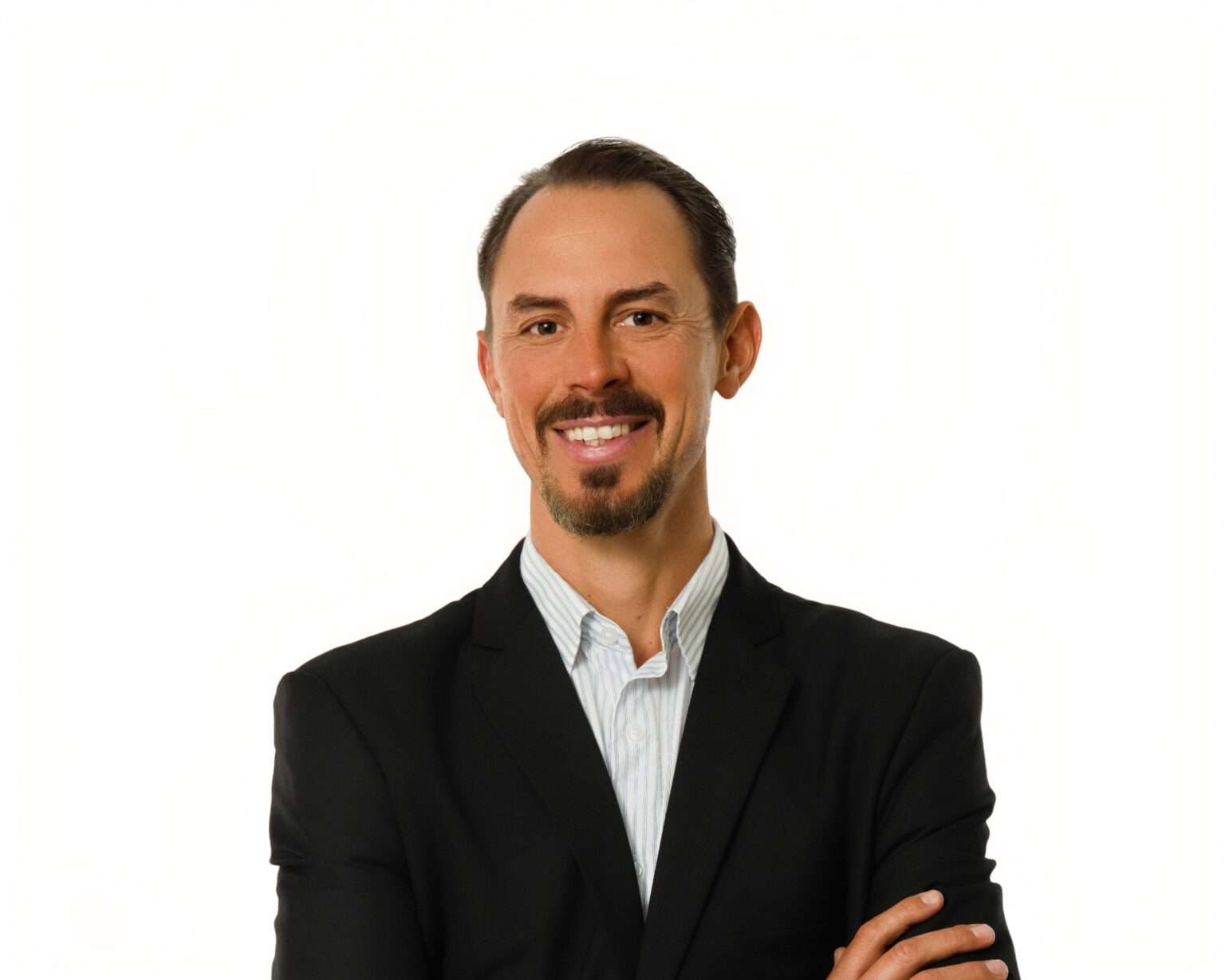
NAC Chairperson Eugene Botha, whose office warned that the council will approach court to declare a planned staff strike unlawful (Image: NAC)
NAC staff to strike on Wednesday
Employees at the National Arts Council of South Africa (NAC) are set to embark on strike action on Wednesday, 18 March. At the heart of their strike is unpaid bonuses. The Council was allegedly served with the Commission for Conciliation, Mediation and Arbitration (CCMA) certficate on Monday, 16 March.
Strike follows failed CCMA negotiations
The strike follows a dispute between NAC management and employees. They claimed that they have not been paid performance bonuses for the 2019, 2020 and 2021 financial years.
As a result they took the matter to the CCMA in December 2025, after they could not reach an agreement with Council.
"Conciliation meetings took place on 18 December 2025, 27 January 2026 and 4 March 2026, but we failed to reach a settlement. Following the deadlock, the CCMA issued default picketing rules, allowing us to protest." said one of the employees.
The employees said that, up to 40 workers are permitted to picket outside the NAC offices at Newtown Junction in Johannesburg during working hours.
NAC threatens its staff with legal action
Another NAC employee said that, after they served the Council with the CCMA certificate, the NAC Chairperson Eugene Botha warned that he would urgently approach the Labour Court to have the strike action declared unlawful.
“The strike action will happen on Wednesday. It has been authorised by the CCMA. Our representatives have already submitted the CCMA certificate to the Council. Unfortunately, the Chairperson does not seem to accept the CCMA ruling. He told our represantatives that if we proceed with the strike, the Council will have no choice but to approach the Labour Court and seek an order declaring the strike unlawful.” said the employee.
Another employee said that Botha asked the staff to allow legal processes to run its course.
“The Chairperson asked us to be patient and let the proper processes play out so the issues could be resolved through the right channels. But we've already waited for a long time and we still have not received our bonuses. The strike action is our last resort. It's also disheartneing that, when we are finally enforcing our labour rights, we are being threatened with lawyers and an urgent application. We've worked hard, we deserve to be paid our bonuses,” said the employee.
The strike comes at a sensitive time for the organisation, with only two weeks remaining before the end of the financial year, a period when public institutions are required to finalise grant allocations, payments and financial reporting.
PESP6 payments could be affected
Industry stakeholders warn that disruptions at the NAC could affect artists, cultural organisations and creative projects that depend on government funding, including payments under the Presidential Employment Stimulus Programme (PESP6).
This is worsened by an email, with the subject line:'SHOWDOWN: ALL PESP6 PAYMENTS TO BE HALTED'. It is said that the email is being circulated in the arts sector. The reference to PESP6 has raised concern within the arts sector.
PESP is a government initiative designed to create jobs and provide financial support for artists, performers and cultural workers.
The NAC is one of the institutions responsible for administering funding under the programme. If the strike disrupts operations at the council, it could potentially delay:
- Processing of PESP6 payments
- Approval of funded projects
- Compliance and reporting processes
- Disbursement of funds to artists and organisations
Financial year deadline raises risks
The strike comes just weeks before the close of the government financial year at the end of March, a critical period for public entities.
During this period, institutions like the NAC must complete several administrative tasks, including:
- Finalising arts grant allocations
- Processing outstanding payments
- Completing financial reporting
- Preparing annual performance reports
Any disruption during this time could affect the institution’s ability to meet regulatory and audit requirements.
Public finance experts say delays in processing payments or reporting could potentially raise compliance concerns during auditing processes.
Artists fear funding delays
Artists and cultural organisations that rely on NAC funding say they are worried the dispute could disrupt projects already underway.
Most creative initiatives that are funded through NAC grants and PESP programmes operate on tight budgets and strict timelines, making delays particularly damaging.
For independent artists, postponed payments could affect everything from production schedules and venue bookings to wages for performers and technicians.
The creative sector has already faced years of financial strain, and many artists say stability within funding institutions is essential for the industry’s survival.
Pressure on DSAC to intervene
The dispute has also renewed scrutiny of the Department of Sport, Arts and Culture (DSAC), which oversees the NAC.
Industry observers say the department may face pressure to intervene if the strike threatens to disrupt the distribution of public funding to the arts sector.
Make-or-Break week for South Africa's arts sector
With workers set to strike on Wednesday, the coming days could prove pivotal for the NAC and the broader arts sector.
If negotiations fail to resolve the dispute quickly, the strike could create operational disruptions at a time when the institution is under pressure to finalise funding processes before the financial year closes.
For many artists awaiting funding decisions and payments, the outcome of the dispute could determine whether projects move forward or stall.
ThePublic Dispatch approached NAC and they said:
"We acknowledge receipt of your enquiry. However, given the extensive nature of the questions and the need for the organisation to undertake the necessary internal consultations, we unfortunately will not be able to respond within the deadline indicated.
"The matter involves several governance and labour relations considerations, and it is important that we provide accurate and considered responses following the appropriate internal processes. We will endeavour to revert to you as soon as these consultations have been concluded."
The Public Dispatch also sent detailed questions to DSAC seeking clarity on the labour dispute, the potential halt of PESP6 payments, and the possible impact on arts funding as the financial year deadline approaches. At the time of publication DSAC had responded to the questions.
Sizwe Dlamini, the NEHAWU union official representing staff in the matter, was contacted telephonically but did not answer calls seeking comment