The boycott begins: South African artists pay the ultimate price
"Out of solidarity and respect, we believe it is important to pause, hold space, and focus on supporting one another."
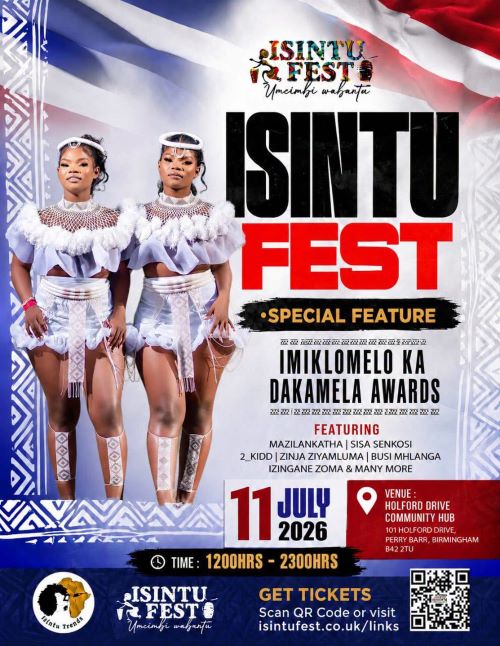
maqwabe Twins were among the South African artists scheduled to perform at Isintu Fest before organisers postponed the event until September, citing the need to show solidarity with members of the community who are "hurting".(Image:Facebook)
The ongoing tensions surrounding South Africa’s immigration policies have spilled over into the international arena, creating a mounting crisis for the country’s creative sector.
The international backlash
The latest victims of this regional discord include Maskandi heavyweights Izingane Zoma, the Amaqwabe Twins, and Dawn Thandeka King, who were scheduled to headline the Isintu Fest Ireland, in Dublin on July 11.
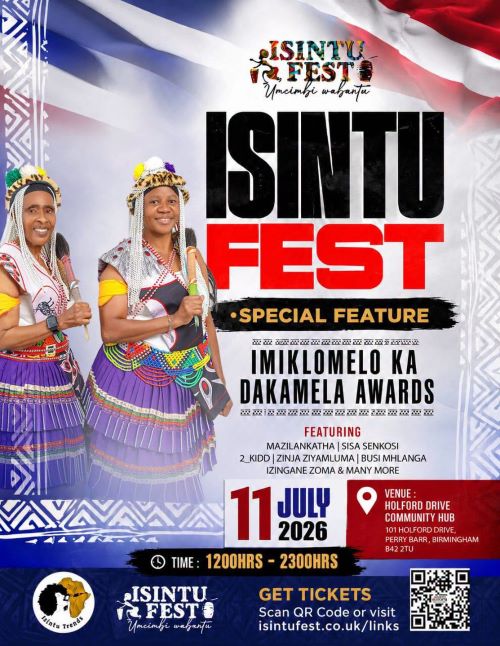
The festival organizer, Sisa Senkosi announced a postponement to September, framing the decision as a moral stance during a period of intense pain for their community. She has postponed the event to 26 September, citing solidarity with those affected by the unrest. In their statement, she said:
“We have made the hard decision to postpone Isintu Fest Ireland originally scheduled for 11 July. Right now, some members of our community are hurting. Out of solidarity and respect, we believe it is important to pause, hold space, and focus on supporting one another. Holding a gathering at this moment simply does not feel right.”
For the artists involved, the impact is both professional and financial. Shobeni Khuzwayo, the manager for Izingane Zoma, confirmed that preparations were well underway before the sudden cancellation.
"We'd already started the preparations and we have suffered some losses. For now, we cannot comment much," he said.
The postponement means artists, managers and support teams are now left to absorb costs already incurred while uncertainty hangs over whether the event will proceed in September.
This development also adds to growing concerns that South African entertainers are becoming collateral damage in a political debate they neither created nor control.
From Marches to regional repercussions
On 30 June 2026, thousands of South Africans marched under the March and March banner, demanding that the government put citizens first, tighten border security, and crack down on illegal immigration.
Long-standing grievances over crime, unemployment, strained services, and porous borders, many of them linking to large numbers of illegal migrants, including from Zimbabwe fuelled the protests.
While organisers emphasised lawful action, the movement has also triggered a sharp regional response. Zimbabweans have been particularly vocal, calling for boycotts of South African acts such as Mafikizolo (scheduled for Buddie Beats on 5 July) and Makhadzi (Cheso Power on 31 July). Influencers like Jay Israel Senior and Godfrey Gwahure issued strong warnings, with some rhetoric turning threatening. Similar sentiments have echoed elsewhere on the continent.
Artists caught in the middle
The growing controversy illustrates the difficult position facing South African artists.
Publicly supporting the March and March campaign risks alienating fans and promoters in neighbouring countries.
Speaking against it could invite criticism from South Africans who believe stronger action is needed to address illegal immigration.
Remaining silent has proved equally risky.
For many musicians, regional and international performances are a critical source of income. Festivals across Southern Africa, Europe and the United Kingdom attract large diaspora audiences and provide artists with opportunities that are often more lucrative than local performances.
When events are postponed or cancelled because of political tensions, the financial impact stretches far beyond the performers themselves. Promoters, sound engineers, tour managers, accommodation providers, transport companies, vendors and venue staff all stand to lose.
Who has backed March & March?
The entertainment industry itself remains deeply divided on the issue. While the majority of celebrities have opted for silence to avoid the political fray, a number of artists have publicly supported March and March.
They include:
Ayanda Ntanzi
TNS
- Israel Matseke Zulu
Ntokozo Ngongoma
Tumisho Masha
- Ayanda Msweli
Mzwakhe Mbuli
Keep Moving Dadewethu
- Zakwe
- Mzukulu
- Pastor Mjosty
- Dogg Dbn
Malusi Mbokazi
Betusile Mcinga
Oscar Mbo
- Mondli Makhoba
Simphiwe Dana
Several political parties have thrown full support behind the movement, including:
- ActionSA,
- UMkhonto Wesizwe Party (MKP),
- United Democratic Movement (UDM),
- African Transformation Movement(ATM),
- Inkatha Freedom Party (IFP)
- and National Freedom Party (NFP)
Culture becoming collateral damage
This spreading cancellation wave exposes uncomfortable realities on all sides. South Africa has legitimate sovereignty concerns over illegal immigration and its consequences; ignoring them has bred resentment that now spills into cultural spheres.
Neighbouring countries, particularly Zimbabwe, benefit enormously from South African talent while their own economic failures continue to drive migration. Boycotting artists many of whom have no role in policy, as collective punishment is both hypocritical and short-sighted. It punishes entertainers who have long bridged divides and deprives audiences of joy.
For South African artists the message is clear, being neutral is no longer an option, and cultural solidarity has its limits.
The coming months will test whether this rift deepens into lasting division or prompts honest dialogue on borders, accountability, and shared prosperity. For now, the stage lights are dimming for South Africa’s artists.