The death of KZN theatre? Playhouse shutdown signals industry collapse
The Playhouse Company has sparked an industry-wide outcry following the closure of its Mayville Warehouse and the sale of production assets, with local directors accusing CEO Linda Bukhosini of prioritizing financial compliance over the development of South African theatre.
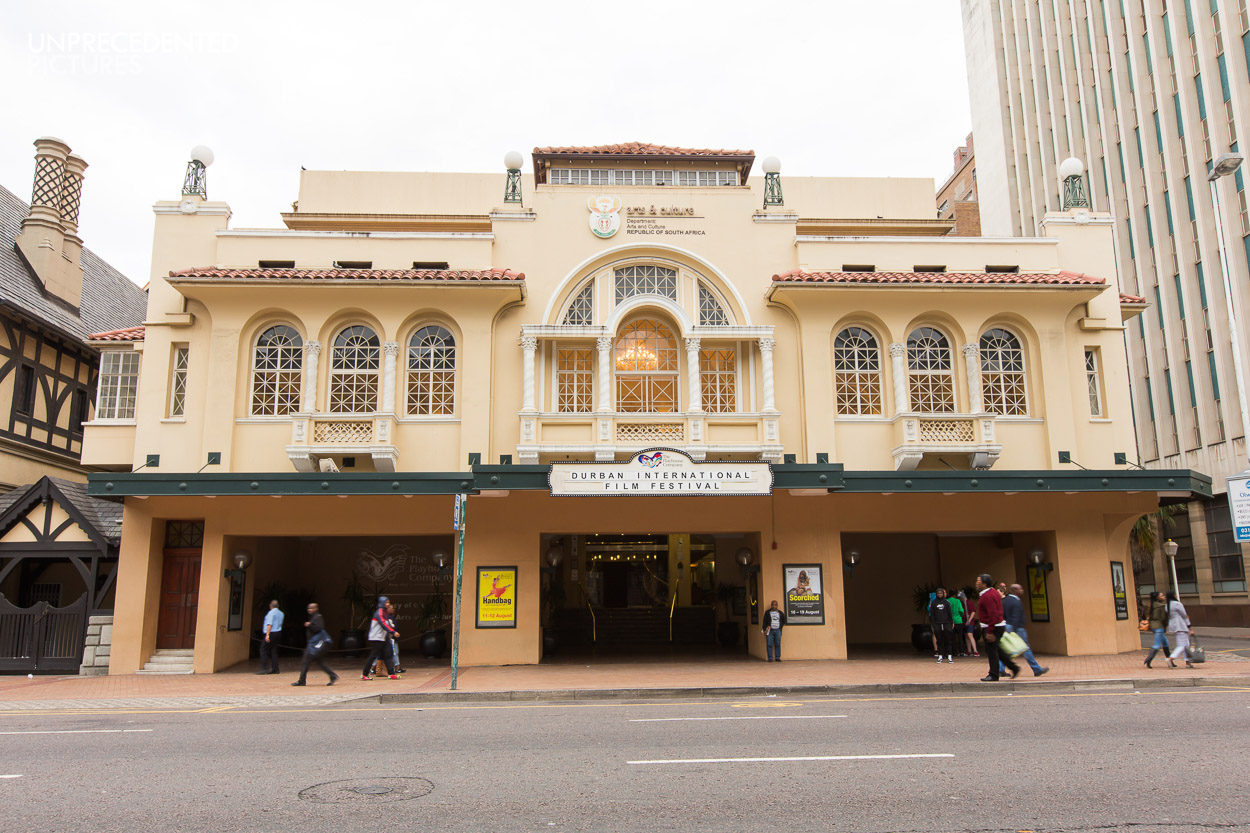
While the historic Playhouse Company building on Anton Lembede Street remains a Durban landmark, industry insiders warn that the "engine room" of the institution, the Mayville Warehouse is being dismantled behind closed doors, leaving the province's theatre sector in a state of collapse. (Image: Playhouse Company)
The Playhouse Company is closing down its iconic Mayville Warehouse, a move that effectively guts the engine of theatre production in KwaZulu-Natal.
It is alleged that core assets have already been sold and some of them including the production truck is up for sale.
Despite a recent "stakeholder engagement" called by CEO and Artistic Director Linda Bukhosini, industry leaders claim the decision was reached without any prior consultation with the very artists the institution is legislated to serve.
As the dust settles on the Mayville facility, which for decades housed the province’s premier costume and set-building workshops, the creative community is left asking: has the Playhouse officially traded its artistic mandate for the sterile comfort of a clean audit?
The engine room dismantled: Mayville Warehouse closure
The Mayville Warehouse was more than just a storage space, it was the technical heart of theatrical creation in Durban. By shutting down the costume and set-building facilities, the Playhouse Company has effectively outsourced its ability to produce original work.
During a meeting on 17 March 2026, which was ostensibly billed as an opportunity to "discuss collaboration," Bukhosini allegedly dropped the bombshell that the facility was being surrendered.
Industry veterans Jerry Pooe and Edmund Mhlongo, both prominent directors who spoke to the Public Dispatch, expressed absolute shock.
"She told us she was shutting down Mayville Warehouse and selling some assets including the production truck. We were shocked, angry and confused because we were not consulted. We told her she cannot close Mayville Warehouse because it’s the engine of theatre but she'd already made up her mind," said Poe.
"How are we going to run shows without the workshop, without props and costumes? We asked her why she didnt consult with the industry and she said there was no time to consult. We are shattered, selling these facilities and assets will destroy us as artists," he continued.
The R200,000 truck: asset disposal or fire sale?
Perhaps the most contentious point in this restructuring is the disposal of the Playhouse’s production truck. It is alleged that the vehicle, a critical asset for touring productions and regional outreach is being sold for a mere R200,000.
Critics have questioned how this valuation was determined and whether a transparent public tender process was followed.
While the Playhouse maintains that "appropriate processes" including auctions were used, the rapid liquidation of assets has left many feeling that the institution is being stripped of its functional capacity.
"This is the Soul of Theatre”: Directors push back
A recurring theme in the outcry against Bukhosini’s leadership is the perceived shift in priorities from artistic development to administrative box-ticking.
Under her tenure, the Playhouse has boasted 15 years of clean audits, a feat the institution uses to defend its governance. However, artists argue that this financial "success" has come at the cost of the art itself.
“She doesn’t care about artists’ growth, development or local productions. She’s taking shows from other provinces while excluding KZN artists. She’s destroyed theatre in KZN and we cannot keep quiet anymore. We don't understand why she called us into a meeting if she had already made a decision.”
"We know she gets over R50 million from the National Department of Sports Arts and Culture (DSAC) and about R5 million from KwaZulu Natal-DSAC but KZN artists do not benefit from that money. She says it's for salaries and maintainance of the building," fumed Mhlongo.
Mhlongo further alleged that operational costs imposed on artists including overtime payments for staff and catering requirements have made staging productions at the Playhouse nearly impossible.
The official response: Cost-cutting or cultural collapse?
In an official response, Charlene Bezuidenhout of the Playhouse Company attributed the closures to sustained reductions in baseline grant allocations. The institution argued that under the Public Finance Management Act (PFMA), they are prohibited from operating with unfunded deficits.
"The Playhouse Company Council was put in an unenviable position to effect various cost-cutting measures. One of the actions in cost savings has been to surrender the Workshop facility. Most items were donated free of charge to artists, while others were sold through appropriate processes,"the statement read.
The Playhouse also confirmed that productions for the 2026/27 cycle will be briefly reduced and non-critical positions have been frozen. They maintain that these measures are the result of external funding pressures, not governance failures.
Silence on the critical questions
While the Playhouse issued a lengthy statement, many of the specific questions posed by The Public Dispatch were not answered.
There was no clarity on the exact number of jobs (permanent and freelance) lost due to the Mayville closure, nor a detailed breakdown of the asset register value for the production truck versus its sale price.
Crucially, the institution failed to explain:
- How the closure of a core production facility aligns with its legislative mandate, which is to promote and develop theatre.
- The valuation and sale process of major assets such as the production truck
- The role of the Department of Sport, Arts and Culture in approving or overseeing these decisions
For the artists of KwaZulu-Natal, a clean audit is a cold comfort when the stages are dark and the workshops are empty