Zimbabwe’s revenge: SA Artists trapped between loyalty and livelihoods
South African artists become collateral damage as border politics spill onto the stage.

Mafikizolo are scheduled to headline the Buddie Beatz Concert in Victoria Falls, Zimbabwe, on 5 July 2026, but the performance has come under scrutiny following calls by some Zimbabwean social media users to boycott South African artists amid escalating tensions over immigration.
In a stark illustration of how quickly cultural exchange can sour into geopolitical retaliation, Zimbabweans are pushing back hard against South African musicians amid ongoing tensions over immigration.
As March and March protests swept South Africa on June 30, demanding that the government prioritize citizens, secure borders, and address illegal immigration, Zimbabwean voices declared South African artists unwelcome on their soil
The targets are clear, Mafikizolo, scheduled for the Buddie Beats Concert in Victoria Falls on July 5, and Makhadzi, set for Cheso Power festival on July 31.
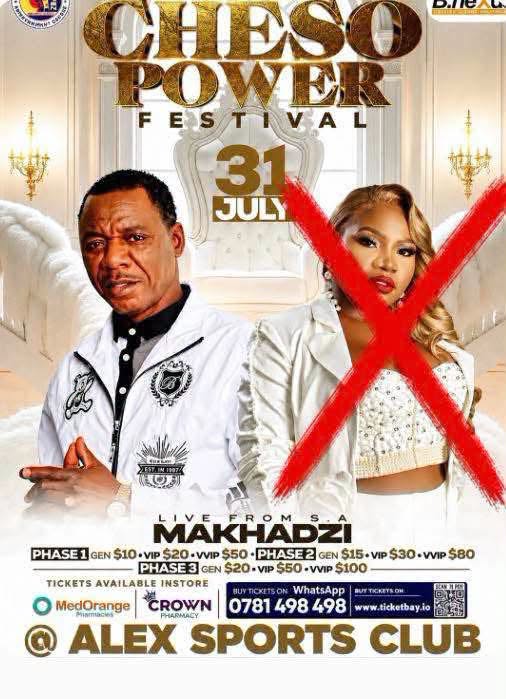
For now, these are the primary gigs under threat, though DJ Tira faces pointed criticism for his longstanding presence and conspicuous silence.
Voices of protest
Zimbabwean influencer Jay Israel Senior posted a fiery message on Facebook:
"Dear Zimbabweans. This is our time to show our beloved South African brothers and sisters that we are not a desperate nation. They are chasing Foreigners but they want to be accepted in Zimbabwe. WE HAVE ARTISTS IN ZIMBABWE, WE ONLY WANT OUR LOCAL ARTISTS TO PERFOM IN OUR COUNTRY. TO OUR DEAR MAFIKIZOLO, YOU ARE NOT WELCOME IN ZIMBABWE!! If this show is not cancelled, as the Zimbabwean Youth we will be there to make sure it doesn’t happen. AS THE YOUTH, WE ARE NOT PROMISING VIOLENCE AT ALL BUT WE WILL NOT ACCEPT THIS GROUP IN OUR COUNTRY."
Godfrey Gwahure added a more menacing note:
"Let them come, we will be waiting with bottles in our hands, ask Zimbabwean artist what I mean by that."
This echoes earlier incidents, such as the backlash against Miss Universe Zimbabwe for inviting Zozibini Tunzi last month.
The frustrations fueling the marches are real.
Years of economic hardship, governance failures, and crime linked to undocumented migration disproportionately involving nationals from crisis hit neighbors like Zimbabwe have strained South African communities.
South Africans are demanding their sovereignty, legal immigration, border security, and citizens first.
On the other side, Zimbabwean actor Chrispen Nyathi also became the target of intense online vitriol, with many demanding he return home. His emotional response struck a more conciliatory tone:
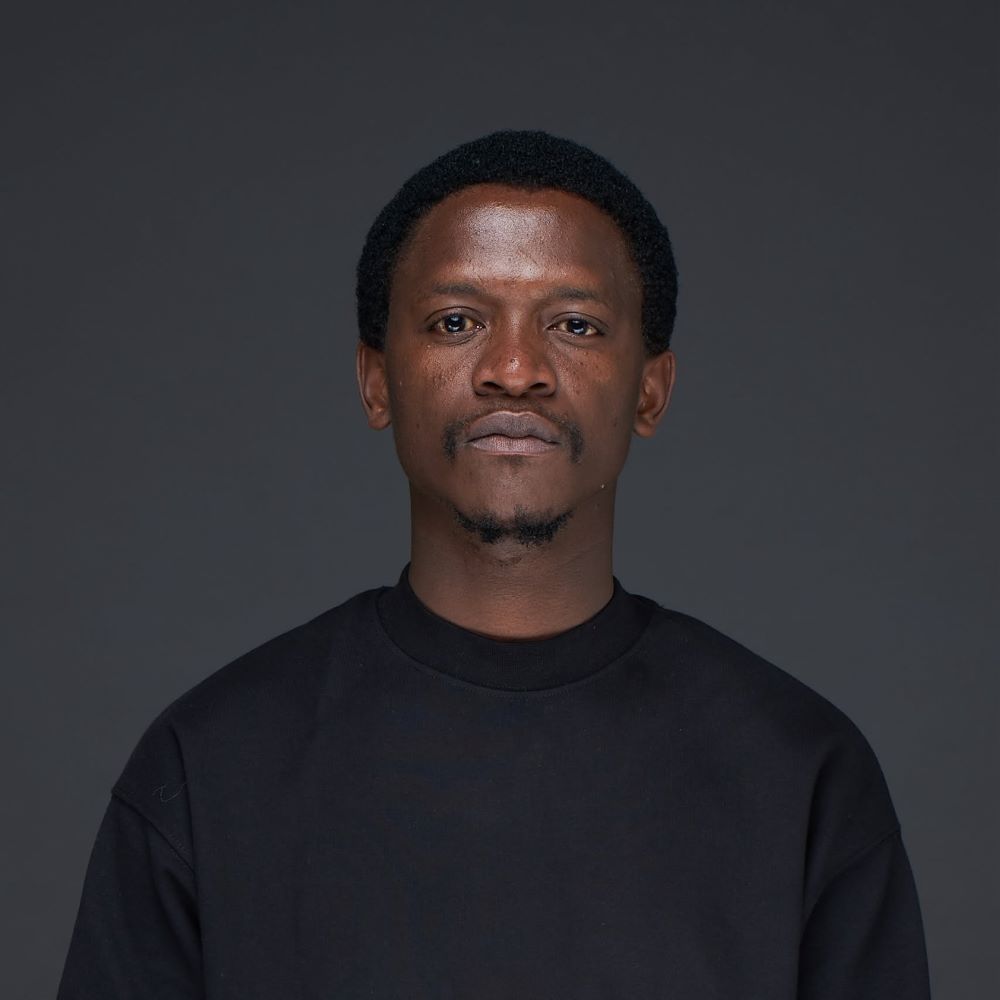
"Believe me when I say 2030 is too far hell 2027 is too far... Your cries are legit. Your grievances are legit and I get it. I am leaving, I want to go. Home is where the heart is. I'm Zimbabwean and I hear you... South Africa has been so good to [us] and I want to go home... If you're [saying] these comments out of malice I want you to know that these comments do not hurt me. I want to go home it's just that it's not going to be an overnight thing... Thank you South Africa for being good to us, your cries have been heard. I shall leave. NGIYAHAMBA."
Nyathi’s acknowledgment humanizes the debate, showing that at least some foreigners hear the grievances even as they navigate personal ties to South Africa.
South African artists caught in the middle
This has exposed the impossible balancing act facing South African entertainers.
Speak in support of tougher immigration enforcement and risk alienating audiences across the border. Oppose the marches and risk criticism from South Africans who believe government has failed to control illegal immigration.
Remain silent and both sides accuse you of taking a position.
Nonetheless, a number of South African artists have publicly supported March and March and called for stronger immigration enforcement. The likes of Ayanda Ntanzi, Ntokozo Ngongoma, Nonto R, Tumisho Masha, TNS, Zakwe, Criselda Kananda amongst others have fully supported the cause.
Few have opposed the movement outright, with Somizi Mhlongo among the notable exceptions.
The overwhelming majority of South Africa's biggest artists have chosen not to publicly comment, reflecting just how politically sensitive the issue has become.
For many, it is a commercial decision as much as a political one.
Regional touring across Southern Africa remains a major source of income. Zimbabwe has long been one of South Africa's strongest entertainment markets, with promoters regularly booking South African artists who attract large audiences.
Any sustained boycott would not only hurt musicians but could also affect promoters, sponsors, hotels, transport providers, vendors and the thousands of temporary workers whose livelihoods depend on major concerts.
Mafikizolo and Makhadzi now face the immediate consequences in Zimbabwe, where they (and others) have long been embraced and enriched. The broader impact includes lost revenue, damaged reputations, and chilled cultural exchange.
The Impact
The impact is tangible. Minister of Justice and Constitutional Development Mmamoloko Kubayi recently acknowledged that South African performers are losing income as continental bookings are canceled.
There is no dispute that South Africa faces genuine challenges linked to illegal immigration, including pressure on public services, border management, policing and employment. These concerns have fuelled growing public frustration and have become a prominent feature of national political debate.
At the same time, Zimbabwe has endured years of economic hardship that have driven many citizens to seek work and opportunities abroad, with South Africa remaining the primary destination.
These realities are complex, and governments on both sides bear responsibility for addressing them.
But musicians did not create South Africa's immigration policy. They are not responsible for Zimbabwe's economic struggles but now they are paying a heavy price. They are being punished for their government failures, it is not fair.
Once again, the entertainment industry has become a casualty of politics.
For decades, South African and Zimbabwean artists have collaborated, toured together and built audiences that ignored borders. Music succeeded where politics often failed, creating shared spaces that transcended nationality.
Right now both countries stand to lose, not only economically, but culturally.
While politicians debate immigration and activists organise marches, it is artists whose work has long united Southern Africans, who are now being asked to answer for decisions they never made.
This exposed the hollowness of pan-African rhetoric when economic hardship and weak governance collide. Governments must deliver better borders, opportunity at home, and de-escalation.
Artists shouldn’t shoulder the blame for systemic failures.