Mckenzie rejects calls to fix coach pay gap: “Not my Department’s fight”
Minister of Sport, Arts and Culture Gayton McKenzie has firmly refused to intervene in the reported salary disparity between Bafana Bafana and Banyana Banyana national team coaches.
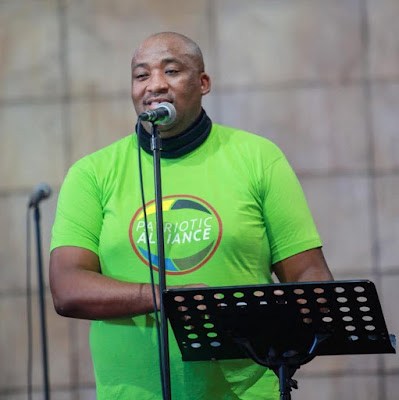
Minister of Sports Arts and Culture, Gayton McKenzie (image: from Facebook)
The issue has ignited fierce public and media debate in recent days, spotlighting the significant gap in earnings between the head coaches of South Africa’s men’s (Bafana Bafana) and women’s (Banyana Banyana) senior national football teams.
In response to a direct parliamentary question from ANC MP Faith Muthambi, Minister McKenzie stated he was unaware of any substantial salary disparity between the two coaches and emphasised that such decisions fall entirely outside his ministry’s jurisdiction.
SAFA holds exclusive authority over coach contracts
McKenzie stressed that coach salaries and terms are strictly human resources and contractual matters between SAFA and the individuals concerned. “The salaries and remuneration of coaches contracted by federations are human resources matters. They are governed by contracts between the employer and employee, not by the Department of Sport, Arts and Culture,” he told Parliament.
Citing the National Sport and Recreation Act, the minister reminded MPs that government officials are explicitly prohibited from meddling in the administrative, operational, or contractual affairs of independent sports federations. He warned that any intervention “may be construed as interference in a federation’s autonomy,” noting that SAFA’s independence is further safeguarded by its affiliations with FIFA, CAF, and the International Olympic Committee (IOC).
MP Faith Muthambi pushed back, questioning whether the department genuinely supports gender equality and equal pay in sport, and demanding specific steps the ministry would take to address and close the pay gap between men’s and women’s codes.
Government stands firm: battle belongs to SAFA
McKenzie’s unequivocal position leaves little prospect of official government action, reinforcing that resolving pay equity concerns in football remains the sole responsibility of SAFA and other sporting bodies—keeping the fight for fair compensation firmly on the pitch rather than in the corridors of Parliament.