R765,000 spent on a single trip to Spain but no VAR in sight.
Despite repeated promises that VAR would be introduced in South African football by the 2025/26 season, over half a million has already been spent on a single trip to Spain. The project itself remains stuck in the planning phase with nothing implemented on the ground.
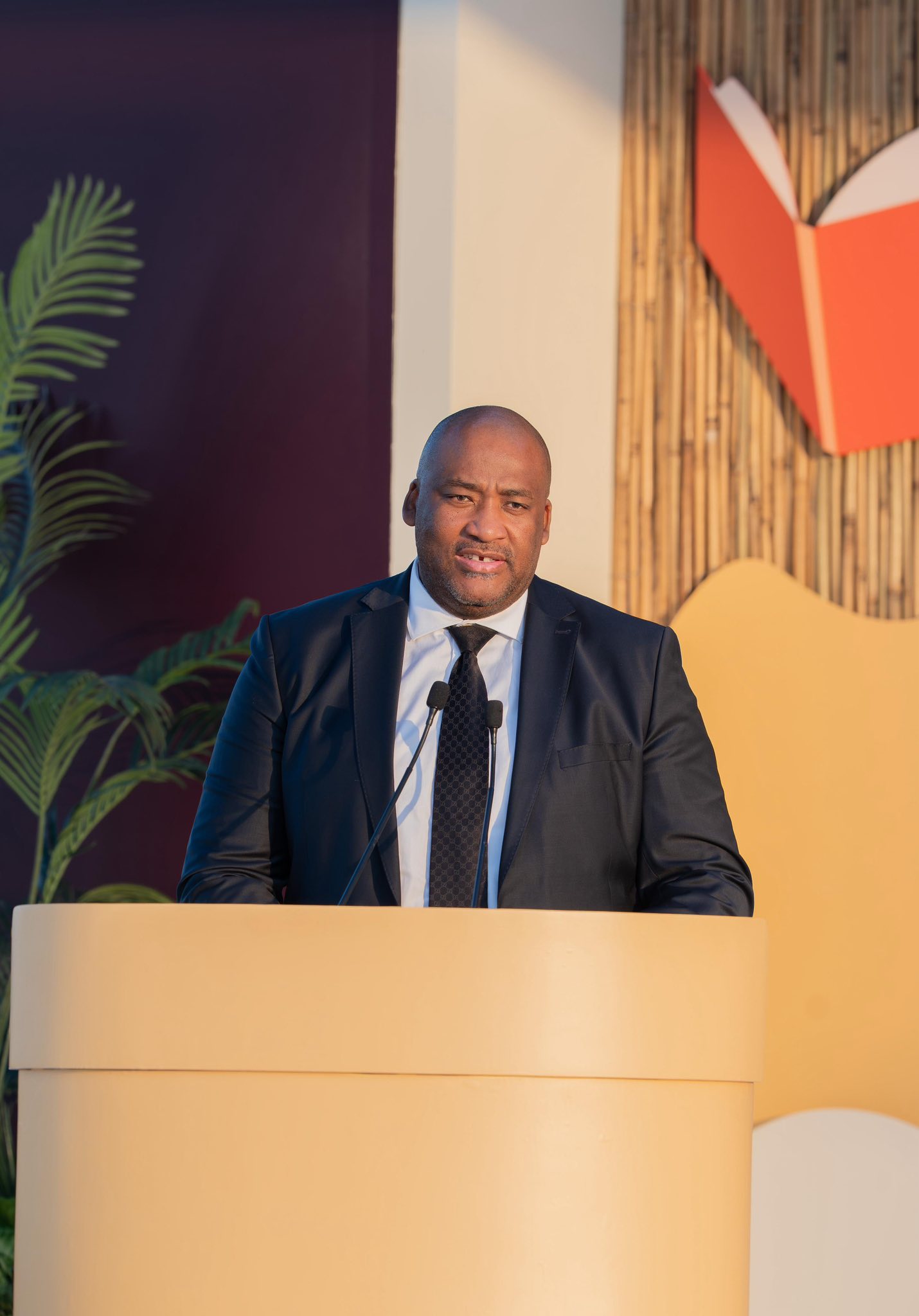
Minister of Sport, Arts and Culture Gayton McKenzie has already spent R765,257.03 on VAR. (Image from Facebook)
The project that exists mostly on paper.
More than R765,000 of public money has already been spent on South Africa’s long-promised Video Assistant Referee (VAR) project, yet not a single camera, control room, or trained VAR official has been installed in the country’s football stadiums.
Instead, the entire amount went toward a fact-finding trip to Spain.
According to a written reply from Minister of Sport, Arts and Culture Gayton McKenzie, R765,257.03 was spent in November 2025 to fund a delegation tasked with studying how VAR operates in one of Europe’s top leagues.
The trip included members of the South African Football Association (SAFA) VAR Project Team, led by former FIFA referee Daniel Bennett, who has been tasked with overseeing the potential rollout of the system locally.
But beyond that trip, the project appears to have produced no visible results.
- No VAR infrastructure has been installed in stadiums.
- No referees have been certified to operate the system.
- No pilot tests have been conducted in competitive matches.
Despite months of public anticipation, South African football continues exactly as it has for years, without VAR.
Parliament demands answers
The details emerged after MK Party (MKP) member Gift Motaung raised questions in Parliament about the status of the VAR project.
The inquiry sought clarity on a number of issues, including how much money had been spent, what progress had been achieved, and why the public had been led to believe the system would be operational during the 2025/26 football season.
Motaung also questioned whether resources meant for grassroots sport development particularly in rural and township communities could be affected by spending on an elite professional football project.
The Minister’s reply confirmed the spending figure but revealed that the project itself is still in the planning stage.
For many observers, the response raised more questions than answers.
A fact-finding mission to Spain.
The Department says the R765,257 paid for a delegation to visit Spain to observe how VAR systems operate in one of the world’s most technologically advanced football environments.
During the visit, the SAFA delegation reportedly examined various implementation models and technological options.
One of the key decisions discussed during the trip was whether South Africa should adopt a simplified system known as 'VAR lite', which is cheaper and less complex, or invest in a full VAR system similar to those used in Europe’s major leagues.
The delegation ultimately concluded that the Premier Soccer League (PSL) would require a full VAR setup rather than the lighter version.
Supporters of the trip argue that such research is necessary before implementing a complex system.
Critics, however, say the optics are troubling. A substantial amount of money has been spent on travel while the actual project remains stalled.
In practical terms, the trip has yet to translate into anything tangible for football fans watching matches every weekend.
Promises of VAR for the 2025/26 Season.
The slow progress contrasts sharply with the confident promises that were made publicly.
McKenzie repeatedly told the public that VAR would be introduced into South African domestic football, specifically targeting the 2025/26 season.
The announcement generated widespread excitement.
For years, supporters and clubs have complained about controversial refereeing decisions affecting match results, league standings, and cup competitions.
VAR was presented as a solution that would bring the PSL closer to international standards while improving the fairness and credibility of officiating.
But as the season progresses, the technology remains absent from South African stadiums.
Matches continue to be decided by the same human decisions that VAR was meant to review and correct.
Still “finalising the plan”.
In his parliamentary reply, McKenzie said that SAFA had established a VAR Project Team under the leadership of Daniel Bennett.
The team, he said, is currently finalising a detailed implementation plan that will guide the rollout of the system.
However, the response did not include specific milestones. There was no mention of tenders issued for equipment procurement, no indication of stadium infrastructure upgrades, and no timeline for referee training. Without these steps, experts say the introduction of VAR remains far from imminent.
Why announce before implementation?
One of the most controversial aspects of the Minister’s response relates to why the government publicly announced VAR before the groundwork had been completed. According to McKenzie, the announcement formed part of a “conceptual and public engagement phase.”
He also stated that this approach is not unusual in government, explaining that many initiatives are announced before detailed planning has been finalised. Critics argue that such early announcements can create unrealistic expectations. In the case of VAR, supporters were led to believe the technology would already be operating during the current season.
Instead, the project remains in its earliest stages.
The situation has been further complicated by recent public appearances where the Minister displayed what he described as 'proof of payment' suggesting that millions of rand had been transferred to SAFA for future implementation.
Reports now indicate that the system may only be introduced in the 2026/27 season, effectively pushing the original timeline back by at least a year.
Grassroots concerns.
Another issue raised during the parliamentary exchange was whether spending on VAR could divert attention or resources away from grassroots sport development. Many communities across South Africa face serious challenges when it comes to sports infrastructure.
In rural areas and townships, facilities are often poorly maintained, youth development programmes struggle for funding, and arts and cultural initiatives compete for limited resources.
In response to these concerns, the Minister said that no risks have been identified regarding the potential impact of the VAR project on grassroots funding.
But critics argue that even symbolic spending on elite projects can raise questions about priorities.
For example, the cost of the Spain trip alone could have funded community sports equipment, coaching programmes, or facility upgrades in multiple areas.
A project yet to deliver.
VAR technology has become a standard feature in many of the world’s leading football leagues, helping referees review key decisions such as penalties, red cards, and disputed goals. There is little doubt that the system could improve officiating in South African football. But the current situation highlights a familiar challenge in public administration, the gap between promises and delivery.
For now, the VAR project remains largely theoretical. Fans were promised modern technology that would change the game. Instead, nearly a year later, the only confirmed outcome is a R765,000 trip to Spain and a project that is still being planned.
Until cameras are installed, referees are trained, and VAR is used in live matches, the initiative remains, at least for now, more of an idea than a reality.