RiSA's deafening defiance: no reflection, no reform, just business as usual.
The Recording Industry of South Africa (RiSA) has brazenly opened entries for the 32nd South African Music Awards (SAMA32) amid ongoing industry and public criticism of the controversial SAMA31 edition, dismissing calls for introspection and instead framing the previous hybrid event as a triumphant success while extending submission deadlines to encourage participation.
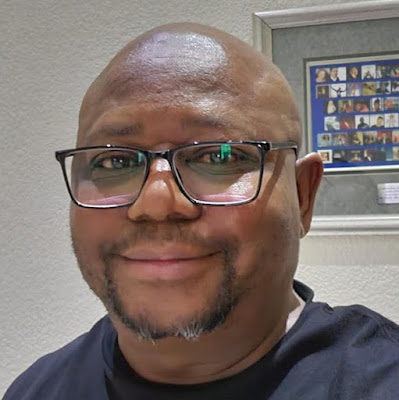
RiSA CEO, Nhlanhla Sibisi (Image:facebook)
Bold move amid lingering fury
In a move that has stunned many in South Africa's music ecosystem, the Recording Industry of South Africa (RiSA) has pushed forward with preparations for SAMA32, officially opening entries despite widespread backlash over the handling and execution of the preceding SAMA31. As of March 2026, with the extended deadline having passed on 6 February 2026, submissions for works released between 1 February 2025 and 31 January 2026 are now closed, yet the decision to forge ahead without meaningful reform has intensified accusations of arrogance and disconnection from the very artists RiSA claims to represent.
Industry voices expected at minimum, a period of reflection, public acknowledgment of shortcomings, and genuine engagement to rebuild eroded trust. Instead, RiSA's announcement, accompanied by upbeat rhetoric from CEO Nhlanhla Sibisi, signals an unapologetic continuation, raising fresh questions about the organisation's accountability and relevance in a sector already grappling with funding shortages, sponsorship volatility, and shifting audience preferences.
SAMA31: The 'triumph' that divided
RiSA continues to describe SAMA31, – staged as a hybrid event on 14 December 2025 as a milestone success, highlighting its multi-platform reach and cultural impact. In statements surrounding the SAMA32 call for entries, Sibisi praised the previous edition as hybrid triumphant and an incredible year, crediting it for boosting entry numbers in recent cycles and interpreting that as a vote of confidence" in RiSA's systems.
Yet this narrative clashes sharply with the reception from artists, fans, and commentators. Leading up to and following SAMA31, scrutiny intensified around Sibisi's alleged conflict of interest tied to partnerships like Big Fish, prompting fears of bias in award processes and event dealings. Broader criticisms have echoed longstanding grievances, perceived production oversights (such as high-profile omissions in performances), questions over judging fairness, and a history of mismanagement allegations that have dogged the SAMAs for years.
While specific SAMA31 controversies included debates over continental categories (like the Rest of Africa nod stirring discussions on South Africa's adjudicating role) and operational hiccups, the cumulative effect has been a growing chorus labeling the awards as out of touch. Past editions have faced accusations of tribalism, gender imbalances, rigged perceptions, excessive budgets and favoritism, issues RiSA has periodically promised to address through overhauls, only for similar complaints to resurface.
Defiance over dialogue
Rather than pausing to convene industry forums, release a transparent review of SAMA31's challenges, or implement promised structural changes, RiSA opted to double down. Entries opened on 17 December 2025, just days after SAMA31 concluded with an initial close on 31 January 2026, later extended to 6 February amid requests from musicians and labels who cited a busy festive season. Sibisi framed the extension as inclusive: "We did not want to leave anyone behind."
The tone in official releases remains celebratory, urging the industry to ome along and make SAMA32 for the books. Sibisi's call for an overwhelming response from deserving music practitioners positions RiSA as the steadfast guardian of excellence, even as critics argue the organisation ignores the very practitioners' concerns.
This approach has been branded as blatant defiance. In a sector where trust is fragile especially post-COVID recovery strains and sponsorship droughts that forced the hybrid pivot for SAMA31, refusing to engage substantively risks alienating independents, emerging talents, and established acts who feel the awards no longer fully reflect or serve South African music's diversity.
A Pattern of persistence
RiSA's track record adds weight to the criticism. The SAMAs have weathered repeated storms: sponsorship woes delaying announcements, government funding pullouts (as in the 2023 KZN controversy), production errors requiring public apologies (e.g., De Mthuda's 2024 omission), and calls for major overhauls after artist-led outcries in 2022. Each time, RiSA has vowed improvements from judging reforms to process audits yet the cycle of backlash persists.
The decision to steamroll into SAMA32 without pause suggests either institutional inertia or a calculated bet that participation will continue despite discontent. Entry numbers may hold or grow due to the prestige attached to the awards, but underlying resentment could manifest in boycotts, alternative platforms, or louder demands for change.
Implications for South African music
For artists, producers, and labels, the stakes are high. The SAMAs remain a key benchmark for recognition, airplay boosts, and career momentum in a competitive landscape dominated by streaming and global influences. Yet when the organising body appears unresponsive, it undermines the event's legitimacy and the sector's cohesion.
As March 2026 unfolds, with nominees likely to be announced soon, the spotlight will shift to whether SAMA32 can deliver a credible, inclusive show or if the defiance displayed in rushing forward will compound divisions. RiSA's insistence on business as usual framing criticism as noise rather than a call to action may preserve short-term momentum but at the cost of long-term credibility.
In an industry built on creativity and community, the refusal to listen risks turning what should be a unifying celebration into yet another source of fracture. The beat may go on, but for many, the rhythm feels increasingly off-key.