Zakes Bantwini's 2022 prophecy came true in the dismal SAMA31 debacle
Zakes Bantwini's blistering 2022 critique of the South African Music Awards as a trust-shattering, nepotistic mockery has been fully vindicated by the lacklustre, poorly attended, technically flawed SAMA31 in December 2025. proving the event has devolved into an irrelevant national embarrassment that no longer celebrates excellence but exposes industry failure.
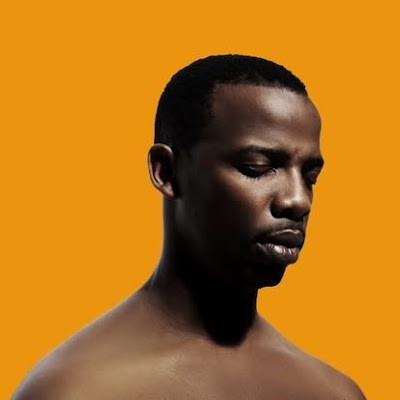
Musician Zakes Bantwini has been vindicated. (Image from Facebook)
The prophecy fulfilled
In 2022, Zakes Bantwini, after finally clinching his first major awards following 28 nominations and a lifetime dedicated to music didn't celebrate, he mourned. His open letter eviscerated the SAMAs for broken trust, unjust judging, nepotism, bureaucratic rot, and a blatant disrespect toward artists. He called it the 'lowest point, a 'slap in the face,'' and warned that celebrating mediocrity would doom South African music's global ambitions. Nearly three and a half years later, in March 2026, those words aren't just relevant but they're prophetic. The 31st edition, held on 14 December 2025 at Gallagher Convention Centre, didn't redeem the awards, it buried them deeper. What was once a glittering pinnacle of Mzansi pride has become a ghost of itself: low-energy, sparsely attended, riddled with technical disasters, and met with widespread apathy from artists and fans alike.
A night of no-shows and empty seats
The most glaring indictment? The stars simply didn't show up. Reports from the event describe a 'lacklustre' atmosphere where major winners were absent, the venue felt half-empty, and even basic comforts like air conditioning failed. One prominent artist was reportedly getting married elsewhere, underscoring how the SAMAs no longer command priority in the industry calendar. Viewers online lamented a 'dormant' crowd that barely reacted, with hosts desperately pleading for noise in a silent room.
This isn't a one-off glitch but a systemic rejection. Artists are voting with their feet, boycotting or ignoring an event that has repeatedly disrespected them through opaque processes and questionable decisions. Zakes himself revisited the issue post-SAMA31, declaring the awards 'no longer matter to fans and artists,' with minimal public interest, weak attendance, and virtually no social media buzz. The red carpet debates questioned if local stars even received invitations, highlighting how disconnected the organisers have become from the very community they claim to serve.
Production failures that screamed amateurism
Technical glitches, poor sound quality, sweating presenters under inadequate conditions, and a broadcast that felt dragged-out and sparkless these weren't minor hiccups; they were the main event. Social media erupted with descriptions of 'terrible everything' boring hosting, flat energy, and a low-budget vibe that clashed with the Motsepe Foundation's backing. The hybrid format meant to broaden access amid sponsorship woes was spun as innovation, but it landed as desperation. Previous editions had glamour, SAMA31 felt like a budget telethon. The crowd's silence during performances wasn't audience restraint, it was disengagement from a show that failed to excite or honour properly. This isn't about funding shortages alone but about priorities. When organisers cut corners on production while failing to fix core issues like judging integrity, the result is an event that embarrasses rather than elevates.
Judging and integrity: The rot at the core
Zakes nailed it in 2022: the judging reeks of nepotism and bureaucracy. That hasn't changed it's worsened. Post-SAMA31, Bantwini doubled down, criticising questionable winner choices that defy fan and industry consensus, and slamming the Recording Industry of South Africa (RiSA) for letting the awards 'shrink.' Conflicts of interest, like RiSA's CEO facing backlash over partnerships, further erode trust. Winners like Thandiswa Mazwai (multiple nods for Sankofa), Goldmax, and others deserved recognition, but the tainted process overshadows their achievements.
When awards feel rigged or arbitrary, they lose all prestige. South African music is exploding globally. Amapiano, gqom, and artists like Tyla have proven it yet the national showcase rewards mediocrity or insider favourites. This disconnect fuels the exodus: why attend or care about an event that doesn't reflect true excellence?
The broader industry betrayal
The SAMAs' decline mirrors deeper failures in South Africa's music ecosystem. Sponsorship droughts, missing government support, and RiSA's governance lapses (including delayed financial reports) have starved the event. But excuses don't rebuild trust. Artists fight daily for global competitiveness, longevity, and fair pay only to see their flagship celebration descend into chaos. The 'Rest of Africa' category stirred continental debates for sounding dismissive, adding insult to injury. Fans and musicians alike feel robbed of national pride. Zakes warned we'd blame ourselves for celebrating mediocrity now, we're living it.
Time for radical reform or burial
The SAMAs aren't salvageable in their current form. A full overhaul is non-negotiable: transparent judging panels with rotation and accountability, artist input on processes, restored respect through better production and artist relations, and genuine efforts to combat nepotism. RiSA must lead, not deflect. If not, let it die quietly. South African music doesn't need a flawed awards show it needs platforms that amplify real talent without the baggage. Zakes Bantwini's heavy heart in 2022 has become collective heartbreak in 2026. The prophecy isn't just true it's a wake-up call ignored too long.
The SAMAs have become a national embarrassment, a shadow where pride once stood. Until the industry confronts this rot head-on, South Africa's musical giants will keep shining elsewhere while the awards fade into irrelevance. Wake up, RiSA: fix it, or bury it. Our artists and our culture deserve far better.